


Pregnancy follow-upThe term 'pregnancy check-up' includes regular medical check-ups to protect the health of the expectant mother and baby, to manage the pregnancy safely and to identify potential risks in advance. These check-ups not only monitor the development of the baby, but also assess the general health of the expectant mother. Regular pregnancy check-upsIt starts with routine procedures such as blood pressure measurement, weight monitoring and urine tests. These follow-ups allow early detection of conditions such as gestational toxicity (pre-eclampsia) or gestational diabetes and thus enable the necessary precautions to be taken. For a healthy and conscious pregnancy process, it is of great importance that you regularly go to your check-ups on the schedule determined by your doctor.
Pregnancy monitoring is not only a medical necessity, but also the most effective way to build a safe future for mother and baby. Through this process, more informed decisions can be made about how the birth will take place and possible risks can be minimized. For example, the baby's position or the mother's general state of health can influence whether a normal delivery or caesarean section decision-making can be influential. During follow-up, your doctor will give you specific advice on diet, exercise and lifestyle changes. Remember, pregnancy follow-up is not just a series of appointments; it is a comprehensive process to ensure that both you and your baby are healthy and prepared for delivery and beyond.
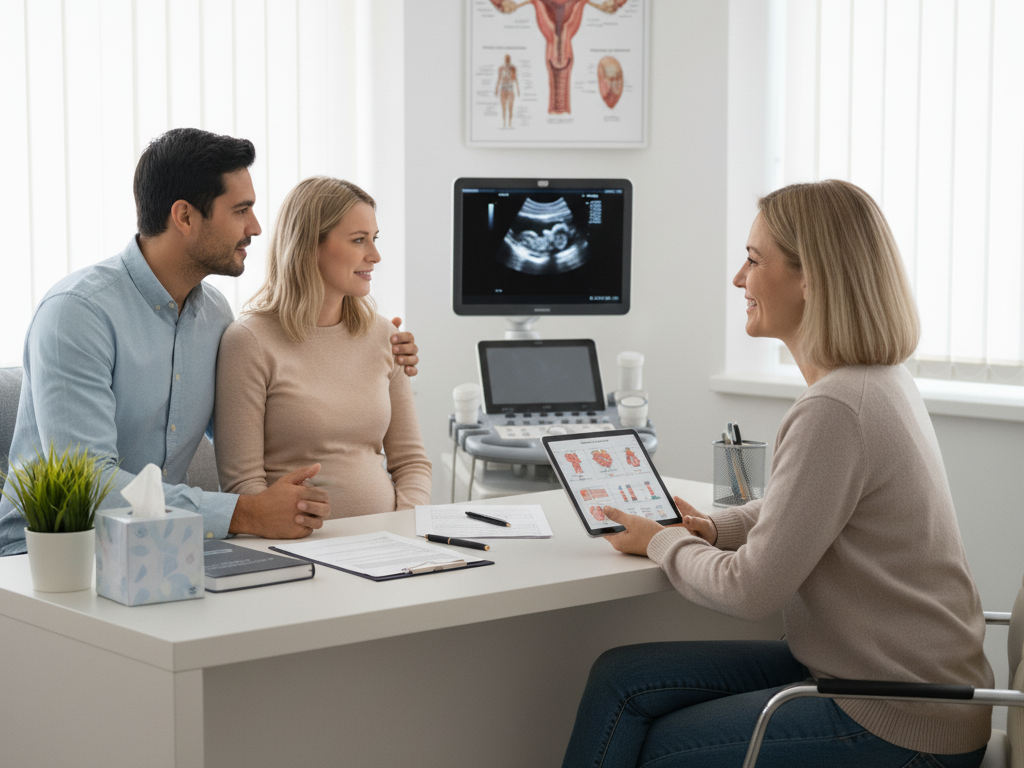
What is Pregnancy Monitoring?
Pregnancy follow-up is a set of regular medical check-ups during pregnancy to protect the health of mother and baby and to prevent potential risks. This process covers the period from the beginning of pregnancy until delivery and is carried out by a health professional (obstetrician, family doctor or midwife).
Why is Pregnancy Monitoring Performed?
The most important reasons for pregnancy monitoring are:
1. Risk Detection and Prevention
2. Monitoring Baby's Development
3. Informing Mother and Baby
4. Determining the Birth Plan
5. Providing Psychological Support
What are the Tests Performed within the Scope of Pregnancy Monitoring?
During pregnancy follow-up, various tests are performed at regular intervals to ensure the health of mother and baby. These tests are as follows:
- Blood and Urine Tests
- Complete Blood Count
- Blood Type and Rh Factor
- Hepatitis B and C, Syphilis, HIV Tests
- Urine Analysis
- Gestational Sac and Fetal Heartbeat
- Nuchal Translucency Test
- Triple or Quadruple Screening Test
- Detailed Ultrasound
- Sugar Loading Test
- Streptococcal Screening Test
What is gestational diabetes?
Gestational diabetes is a condition in which blood glucose levels rise during pregnancy in a woman who has never had diabetes before. This usually occurs in the second half of pregnancy, between 24 and 28 weeks. Gestational diabetes usually goes away on its own after delivery. However, if left uncontrolled, it can carry some risks for both mother and baby.
When Does Pregnancy Monitoring Start?
Pregnancy follow-up usually starts when the expectant mother finds out she is pregnant and goes for her first medical examination. The frequency of follow-up is as follows:
1. First 28 Weeks: Usually once a month
2. Between 28th and 36th week: Usually every two weeks
3. From 36 weeks to delivery: Usually once a week
When does pregnancy follow-up end?
It usually ends with the birth of the baby. However, it should be ensured that the baby is checked regularly after birth.
How is Pregnancy Monitoring Performed?
Pregnancy follow-up is a planned and regular process to protect the health of mother and baby from the beginning to the end of pregnancy. This follow-up is usually performed by an obstetrician, family doctor or midwife.

